
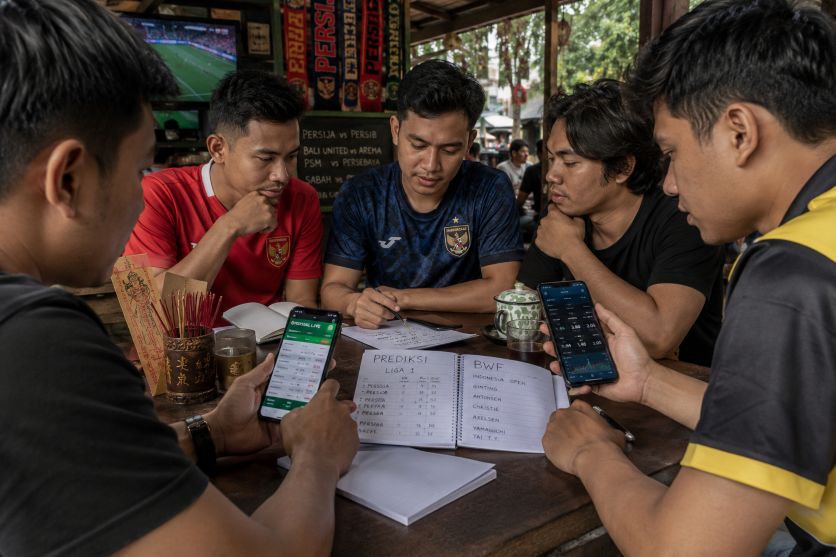
Research from YouGov and regional consumer studies consistently shows that beliefs, traditions, and cultural habits continue to influence decision-making across Southeast Asia, including entertainment activities that involve chance and prediction. From dream interpretation to lucky numbers and symbolic signs, prediction culture remains deeply embedded in many communities, shaping how people think about uncertainty and future outcomes.
Many prediction-focused websites attract audiences interested in dream interpretation, lucky numbers, and forecasting traditions. For example, in Indonesia, Panduan daftar serves as a registration guide for individuals seeking access to Impian Toto-related content and services. The popularity of such guides reflects the broader interest in predictive thinking across Indonesia. Similar habits can also be observed within sports betting communities, where participants often combine statistical information, personal experience, and cultural beliefs when forming expectations about football, basketball, badminton, and other sporting events.
The growing availability of sports data has changed how people evaluate matches and competitions. Yet cultural traditions surrounding prediction continue to coexist alongside modern analytics. The result is a unique blend of data-driven analysis, intuition, community discussion, and longstanding beliefs that influence how individuals engage with sports wagering activities.
1. Traditional Beliefs Encourage Predictive Thinking
Prediction culture has long been present in Indonesia, Malaysia, Thailand, and other Southeast Asian countries. Many people grow up hearing stories about dream meanings, symbolic events, and lucky numbers passed down through families and local communities.
These traditions create a mindset that values interpreting signs and searching for patterns. When individuals later participate in sports betting activities, similar habits may influence how they assess upcoming matches. A surprising result in a previous game, a perceived omen, or a personal intuition may become part of their thinking process.
Harvard University researchers have noted that humans naturally seek patterns, even in situations where outcomes are uncertain. This tendency helps explain why prediction-based traditions remain influential despite the increasing availability of statistical information.
2. Community Discussions Reinforce Shared Predictions
Sports betting discussions often take place within social groups, online forums, messaging apps, and local communities. Across Southeast Asia, prediction culture is frequently shared through conversation rather than formal analysis.
People exchange opinions about football matches, badminton tournaments, basketball games, and other sporting events. These discussions can include references to statistics, recent performances, historical rivalries, or personal interpretations.
The social aspect of prediction creates a sense of collective participation. Similar to how dream interpretations are debated among friends and family members, sports predictions often become group conversations where different viewpoints are compared.
Pew Research Center has documented how digital communication platforms strengthen community-based information sharing. This dynamic contributes to the spread of prediction narratives within sports-focused audiences throughout the region.
3. Data and Statistics Now Coexist with Personal Beliefs
Modern sports wagering environments provide access to an unprecedented amount of information. Match statistics, player performance metrics, injury reports, rankings, and historical records are readily available through digital platforms.
Despite this expansion of data, personal beliefs remain part of the decision-making process for many individuals. Some bettors may review team statistics while also relying on intuition or symbolic interpretations that feel meaningful to them.
This combination reflects a broader trend in consumer behavior. According to research from McKinsey & Company, people frequently blend analytical information with emotional and personal factors when making decisions under uncertainty.
The coexistence of data and belief systems illustrates how traditional cultural practices adapt rather than disappear. Sports betting communities increasingly operate at the intersection of technological information and longstanding prediction habits.
4. Popular Sports Become Platforms for Forecasting
Football remains the dominant spectator sport across much of Southeast Asia, attracting significant public interest and extensive discussion. Basketball, badminton, volleyball, and motor racing also generate strong regional followings.
These sporting events naturally become platforms where predictive thinking is expressed. Fans often forecast outcomes, discuss potential scenarios, and compare expectations before competitions begin.
The process resembles other forms of prediction culture. Participants gather available information, interpret signals, and develop personal viewpoints about future results. While some rely heavily on statistics, others place greater emphasis on instinct or experience.
FIFA and Badminton World Federation audience reports highlight the enormous popularity of these sports throughout Asia. Larger audiences create more opportunities for prediction-based conversations, strengthening the connection between sports fandom and forecasting behavior.
5. Cultural Narratives Shape Risk Perception
One of the most significant influences of prediction culture is its effect on how people perceive uncertainty and risk. Cultural narratives often provide frameworks that help individuals interpret events that are difficult to predict.
Within sports betting communities, these narratives may influence confidence levels, expectations, and personal interpretations of available information. Some individuals feel more comfortable making decisions when they believe patterns or symbolic indicators support their views.
Behavioral research from Stanford University suggests that people frequently rely on mental shortcuts when evaluating uncertain situations. Cultural traditions can become part of those shortcuts, shaping perceptions even when objective information is available.
This does not mean traditional beliefs replace factual analysis. Instead, they often exist alongside statistical evidence, creating a layered decision-making process influenced by both culture and information.
READ ALSO: Online Togel in Indonesia | What Lottery Enthusiasts Should Know
Balancing Tradition and Modern Information
Prediction culture remains an important part of social and entertainment life across Southeast Asia. Dream interpretation, symbolic meanings, and forecasting traditions continue to influence how many people think about uncertainty and future events.
Sports betting communities reflect this broader cultural landscape. Participants often combine statistics, expert commentary, personal experiences, and prediction-oriented perspectives when discussing football, basketball, badminton, and other competitions. Similar themes can also be observed in various prediction guide communities where forecasting and interpretation remain popular topics of interest.
As technology continues to expand access to sports data, the interaction between traditional beliefs and modern analytics will likely remain a defining feature of sports-related prediction behavior throughout the region.
Responsible Gambling Warning: Gambling involves financial risk and outcomes are uncertain. Sports betting and other wagering activities should be approached responsibly and only as a form of entertainment. Individuals should avoid spending money they cannot afford to lose and should seek support if gambling begins to negatively affect their finances, relationships, or well-being.
Prediction culture continues to evolve alongside digital technology, but its core appeal remains rooted in humanity’s desire to understand uncertain outcomes. Whether through statistics, community discussions, or traditional forecasting references, people continue searching for ways to interpret the future while recognizing that no prediction method can guarantee results.